Pests In Rain
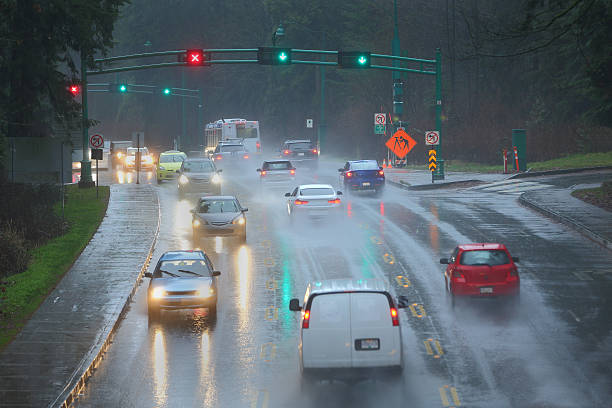
Heavy rain in the Lower Mainland floods ant nests and rodent burrows, washing away outdoor food and opening new gaps
around doors, siding and utility lines. That combo pushes pests to higher, drier ground — your home. Use this quick
guide to prep before a storm and act fast after.
Why Rain Triggers Indoor Pests
- Nests flood: ant tunnels and rodent burrows fill with water; colonies seek higher ground.
- Food moves: outdoor food washes away; indoor odours become stronger targets.
- Gaps open: wind and water widen cracks around doors, windows, siding and utility lines.
- Moisture maps: basements, crawlspaces and bathrooms become humid “highways.”
Pre-Storm Checklist (10–20 minutes)
- Install door sweeps; repair torn screens.
- Clear gutters/downspouts so water drains away from the foundation.
- Move firewood, recycling and clutter off siding; trim shrubs touching walls.
- Close gaps around cables & pipes with exterior-grade sealant.
- Store pet food & organics in tight containers; keep counters crumb-free.
Post-Storm Quick Actions (Same Day)
- Wipe ant trails with soapy water; place a few sticky monitors in kitchens & basements.
- Inspect utility penetrations for fresh gaps; seal before treating.
- Run fans/dehumidifier to keep humidity under 50% in basements and bathrooms.
- If trails persist 24–48 hours, book an exterior perimeter treatment.
Entry Points to Seal First
- Door bottoms (install sweeps) and weather-strip around jambs.
- Utility lines: AC, cable, gas, hose bibs — seal with exterior-grade caulk.
- Foundation cracks & expansion joints; gaps where slab meets siding.
- Attic/soffit vents with damaged screens; warped siding and window trim.
Species Cheat-Sheet (After Rain)
| Pest | Likely Areas | Fast Win |
|---|---|---|
| Pavement & Carpenter Ants | Kitchens, baseboards, siding seams | Wipe trails, seal gaps, treat exterior perimeter |
| Mice | Garages, utility rooms, crawlspaces | Seal 6–12 mm gaps, set monitors, remove food sources |
| Silverfish & Sowbugs | Basements, bathrooms, laundry rooms | Ventilate, dehumidify, reduce cardboard/clutter |
| Earwigs & Spiders | Entry doors, patios, garden edges | Brush down webs, tidy vegetation, treat thresholds |
DIY vs Professional Treatment
DIY works for light trails if you remove moisture, seal gaps and use the right bait (never spray directly over bait trails).
Professional service is best for repeat trails, carpenter ants, night noises, wall activity, or activity that returns every rainfall.
When to Call Primary Pest Control
- You’ve seen carpenter ant frass, mouse droppings or hear wall/ceiling noises at night.
- Activity rebounds after every storm, or DIY hasn’t stopped trails in 48 hours.
- You want a moisture-based inspection, targeted exterior perimeter treatment and entry-point hardening.
Post-Rain Service • (604) 716-6027
Service Area
Vancouver • Burnaby • Richmond • Surrey • New Westminster • Coquitlam • Port Coquitlam • Port Moody • North Vancouver • West Vancouver • Langley • Delta • Maple Ridge
FAQs
Are ant swarms after rain normal?
Yes. Warm rains can trigger winged swarmers. Vacuum indoors, seal entries and treat exterior trails to prevent new colonies.
Should I seal first or treat first?
Seal obvious exterior gaps first (doors, utilities), then treat persistent exterior trails. Avoid spraying over bait trails.
How long until activity drops?
Light ant trails typically fade within 24–72 hours after moisture control, sealing and a perimeter treatment.